
🐾 Coat Colors Guide
Mini Australian Shepherd Colors
Merle, black tri, red tri and more, plus the one color-pairing mistake responsible breeders never make.
Quick Answer
Mini Australian Shepherds come in four AKC-recognized base colors, black, red (liver), blue merle, and red merle, each occurring with or without white markings and copper/tan points. Blue merle is the most iconic and often the most sought-after, though all four colors carry identical health and temperament traits. Color has no bearing on quality except for one critical genetic exception: merle-to-merle breeding.
The Four Recognized Colors
| Color | Description |
|---|---|
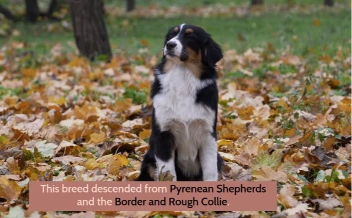
| Black | Solid black base, often with white and copper (tan) markings, “Black Tri” is the most classic, iconic pattern in the breed |
| Red (Liver) | Warm brown ranging from golden-red to deep liver, often with the same tri-color markings, “Red Tri” |
| Blue Merle | Marbled grey, black, and white pattern created by the merle gene diluting a black base, frequently paired with blue or partially blue eyes |
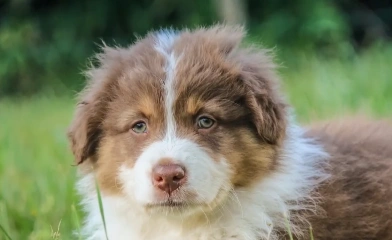
| Red Merle | The merle gene’s effect on a red/liver base instead of black, warm-toned patchwork of cream, copper, and red |
What “Merle” Actually Is (and Why It Matters)
Merle isn’t a separate color. It’s a gene that dilutes and mottles a base coat color, which is why “blue merle” is really “black + the merle gene” and “red merle” is “red/liver + the merle gene.” The merle gene is also responsible for the blue or partially-blue eyes so associated with this breed, since the same gene affects pigment in the iris as well as the coat.
The critical part almost every buyer needs explained, not just warned about: a dog only needs one copy of the merle gene to display the merle coat pattern and is completely healthy with that single copy. The danger appears specifically when two merle dogs are bred together, producing offspring with two copies of the gene (“double merle”). Double merle puppies have a significantly elevated risk of congenital blindness and deafness.
This is why responsible breeders never pair two merle parents, and it’s the single most important question to ask if you’re considering a merle puppy: what color are both parents? I’ll be blunt about this one: if a breeder can’t or won’t answer that clearly, walk away.
Eye Colors
| Coat | Common Eye Colors |
|---|---|
| Blue Merle | Blue, partially blue/marbled, or brown |
| Red Merle | Amber, blue, or brown |
| Black / Red (non-merle) | Brown or amber most common; blue less common but does occur |
Nose and Pigment by Color
Blue merles and solid blacks carry black pigmentation on the nose, lips, and eye rims. Red merles and solid reds/livers have liver-colored (brown) pigmentation in those same areas. A partially pink “butterfly nose” is common and normal in puppies and shouldn’t be judged as a fault before the dog is a year old.
Colors That Are NOT Recognized
You may encounter listings advertising unusual colors at a premium price. The breed standard doesn’t recognize solid white or excessive white body splashes, and a fully pink (“Dudley”) nose is considered a disqualification for conformation purposes. “Rare color” marketing is frequently used the same way “teacup” size marketing is, to justify a price premium for something outside the actual breed standard.
Frequently Asked Questions
Are blue merle Mini Aussies more expensive than other colors?
Often yes, purely due to buyer demand for the look, not because of any difference in health, temperament, or breeding cost.
Do merle Mini Aussies have more health problems than solid-colored ones?
A single-copy merle dog has no elevated health risk connected to the merle gene itself. The risk is specific to double merle dogs, from two merle parents.
Can two Mini Aussie parents of different colors produce merle puppies?
Yes, merle is a dominant gene, so a single merle parent bred to a non-merle parent can safely produce merle puppies in the litter.