Senior Mini Aussie Care: Helping Your Aging Dog Thrive
Short answer: Most mini aussies enter their senior years around age 8 to 9. Expect a slower pace, graying muzzle, longer naps, and a need for softer food and more frequent vet checkups. With a few adjustments to diet, exercise, and daily routine, senior mini aussies usually stay happy and comfortable well into their teens.
When Is a Mini Aussie Considered Senior?
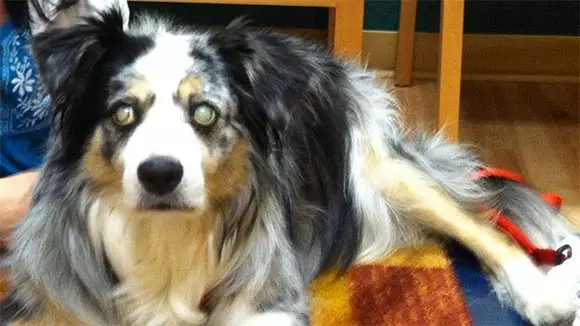
Miniature American Shepherds typically live 12 to 13 years, according to the AKC. Vets generally classify medium-sized dogs as seniors around age 8 or 9, which means the last third of your mini aussie’s life is the senior chapter. You will notice the shift gradually: the frisbee sessions get shorter, the muzzle turns gray, and naps get longer. The number matters less than the trend — if your dog is slowing down, treat them as senior regardless of the birthday.
Cognitive Decline: What to Watch For
Canine cognitive dysfunction (CCD), the dog equivalent of dementia, is one of the most common — and most distressing — senior issues owners ask about. Real 2026 owner reports describe elderly mini aussies waking and barking every hour through the night, staring blankly at walls, getting stuck in corners, or forgetting housetraining they knew for a decade.
Early signs of cognitive decline include:
- Night waking and vocalizing, especially barking at nothing
- Confusion in familiar places or staring into space
- Less interest in play, greeting, or interaction
- House soiling in a previously reliable dog
- Pacing, restlessness, or anxiety at sundown
CCD cannot be cured, but it can be managed. Vets may recommend diets rich in antioxidants and omega-3s, mental enrichment (snuffle mats, gentle puzzle feeders), a strict day-night routine with daylight exposure, and in some cases prescription medication. If your senior is suddenly restless or vocal at night, see your vet — pain, urinary issues, and vision loss can look like dementia but are treatable.
Appetite, Sleep, and Daily Changes
A 14-year-old mini aussie sleeping most of the day is normal — 16 to 18 hours is typical at that age. What matters is the quality of waking hours: a senior who still greets you with a wagging tail, even briefly, is doing okay. Appetite loss always deserves attention, though: try warming wet food slightly to release aroma and offering smaller, more frequent meals. Rapid changes — a dog that ate fine yesterday and refuses everything today, or sudden hind-leg weakness — warrant a prompt vet visit.
A Senior-Friendly Daily Routine
Small, consistent changes beat big overhauls for aging dogs. Build the day around comfort and predictability:
- Shorten, don’t skip, exercise. Two or three gentle 15-minute walks beat one long hike. Watch for lagging behind or heavy panting — those are the stop signals.
- Soften the environment. Add rugs on slippery floors, a ramp to the couch or car, and an orthopedic bed in a warm, draft-free spot. Raised food and water bowls ease neck strain.
- Keep the mind working. Gentle training refreshers, scent games, and food puzzles slow cognitive decline far better than passive rest.
- Stick to the schedule. Same feeding, walking, and bedtime every day. Predictability lowers anxiety in seniors, especially those with early cognitive changes.
Vet Care and Health Checks for Seniors
Move to twice-yearly vet visits once your mini aussie hits senior status, with senior bloodwork panels and screening for the breed’s known issues — joint changes, eye conditions like cataracts and PRA, and dental disease, which quietly causes pain and appetite loss in old dogs.
Keep vaccinations and parasite prevention current but discuss schedules with your vet, since immune needs change with age. Daily tooth brushing at home remains the safest dental prevention at any age.
Diet Adjustments for Aging Dogs
Senior mini aussies usually do best on a diet formulated for older dogs: slightly fewer calories (metabolism slows), high-quality protein to preserve muscle, and added glucosamine plus omega-3s for joints, brain, and coat. The MASCUSA health guidance stresses that weight control is the single biggest lever in a senior dog’s comfort — every extra pound multiplies joint stress.
Avoid sudden food switches, which trigger digestive upset in older dogs — transition over 7 to 10 days. And skip the table scraps: rich human food is harder on an aging gut, and some common foods are toxic to dogs regardless of age.
Saying Goodbye: End-of-Life Guidance
This is the hardest part of the senior journey, and it comes up constantly in owner discussions. Vets often suggest tracking “good days vs. bad days” in a simple journal. When bad days consistently outnumber good ones — when eating, walking, and comfort fail despite treatment — it is time for an honest conversation with your vet about quality of life. Many vets now offer quality-of-life assessments and at-home euthanasia, which lets your dog pass in familiar surroundings.
Related Reading
- Mini Aussie Lifespan — how long mini aussies live and what affects longevity
- Mini Aussie Nutrition Guide — feeding foundations from puppy to adult
- Vet Bills Year by Year — what senior-year veterinary costs typically look like
Frequently Asked Questions
My elderly mini aussie wakes up barking every hour at night. Is this dementia?
Night waking with barking or whining is a classic sign of canine cognitive dysfunction, and it matches many 2026 owner reports of elderly mini aussies doing exactly this. That said, pain, needing to urinate, and vision or hearing loss cause the same behavior. See your vet for an exam first — rule out the treatable causes before assuming dementia. If it is cognitive decline, a strict daytime routine, evening mental enrichment, and vet-prescribed support can reduce the night waking.
My 14-year-old mini aussie sleeps all day and barely eats. When should I worry?
Sleeping 16-plus hours a day is normal at 14. Appetite loss deserves a closer look: try warming the food, switching to a softer senior formula, and feeding smaller, more frequent meals. If appetite doesn’t improve within a day or two, or if you see weight loss, vomiting, or lethargy even when awake, book a vet visit promptly. Dental pain is a very common hidden cause of not eating in seniors.
At what age is a mini aussie officially a senior?
There is no official cutoff, but vets generally consider medium-sized breeds like the Miniature American Shepherd senior around 8 to 9 years old. Move to twice-yearly checkups at that point, switch to senior-focused nutrition, and start watching for the early signs of cognitive decline, joint stiffness, and vision changes.
My senior dog’s jaw is quivering and one eye looks droopy. Is this an emergency?
Facial twitching, jaw quivering, or a droopy eye in a senior dog can indicate anything from dental pain to a neurological issue, and owners have reported exactly these signs in aging mini aussies in 2026. Don’t guess — this one needs a vet exam, ideally the same day. Note when it started, whether it’s constant or comes and goes, and bring a short video if you can; that helps the vet enormously.