Skip to content
Mini Australian Shepherd logo
  • Home
  • Breed GuideExpand
    • Mini vs. Miniature American Shepherd
    • Cost
    • Size & Growth
    • Temperament
    • Lifespan
    • Colors
    • Month-by-Month
    • Exercise
    • Nutrition & Feeding Guide
    • Grooming
    • Training
  • HealthExpand
    • Health Overview
    • MDR1 Gene Guide
    • MDR1 Drug List
  • Blog
  • About Us
Mini Australian Shepherd logo
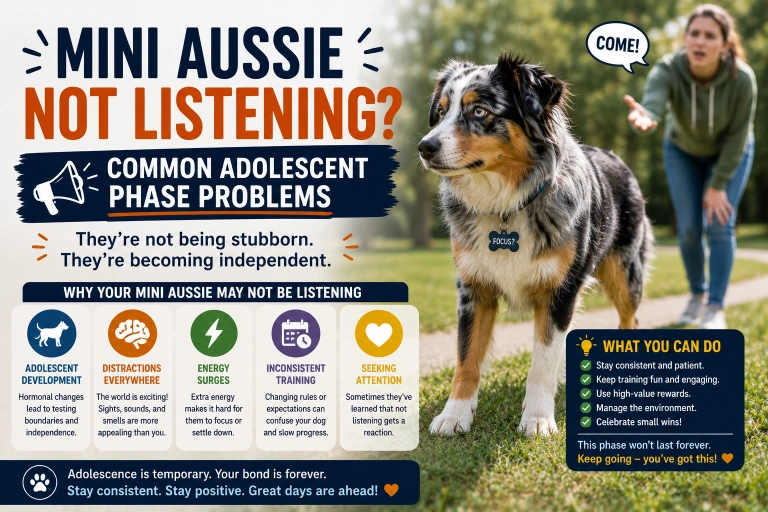
  • Mini Aussie Not Listening Common Adolescent Phase Problems

    Mini Aussie Not Listening? Common Adolescent Phase Problems

    BySarah Mitchell August 8, 2026August 8, 2026

    Short answer: sudden “selective deafness” around 4-8 months is normal canine adolescence, not regression or a training failure — the fix is consistency through the phase, not new or harsher training. Why This Happens Adolescence in dogs, roughly 6 to 18 months depending on the individual, involves real neurological changes — similar in concept to…

    Read More Mini Aussie Not Listening? Common Adolescent Phase ProblemsContinue

  • How to Socialize a Mini Aussie Puppy with Other Dogs

    How to Socialize a Mini Aussie Puppy with Other Dogs

    BySarah Mitchell August 8, 2026August 8, 2026

    Short answer: start controlled introductions as early as your vet allows (often before the full vaccine series is complete, using low-risk settings), prioritize calm, positive exposures over quantity, and manage the herding instinct separately from general socialization. The Critical Window: 3-14 Weeks Most of a puppy’s socialization foundation forms between 3 and 14 weeks of…

    Read More How to Socialize a Mini Aussie Puppy with Other DogsContinue

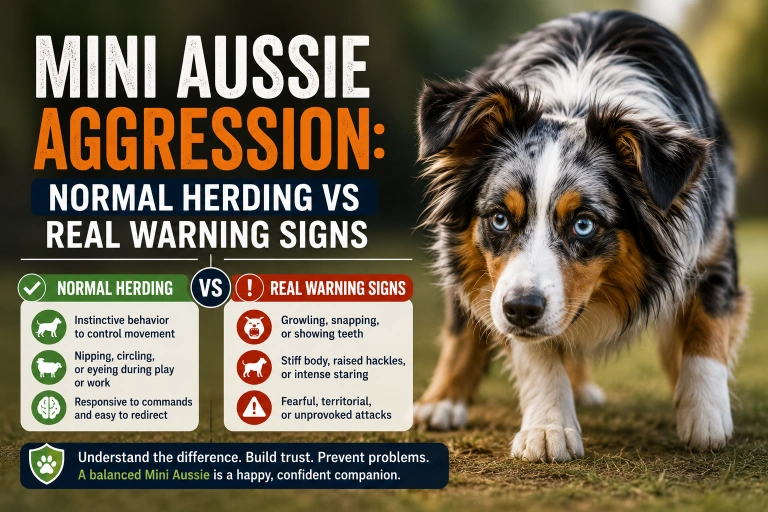
  • Mini Aussie Aggression Normal Herding vs Real Warning Signs

    Mini Aussie Aggression: Normal Herding vs Real Warning Signs

    BySarah Mitchell August 8, 2026August 8, 2026

    Short answer: what looks like aggression in a Mini Aussie is almost always herding behavior — nipping, circling, staring, barking at movement. True aggression is rarer and looks distinctly different: stiff body, prolonged direct eye contact, growling with intent, and snapping meant to cause harm rather than redirect movement. Herding Behavior (Normal, Manageable) Nipping at…

    Read More Mini Aussie Aggression: Normal Herding vs Real Warning SignsContinue

  • Why Does My Mini Aussie Follow Me Everywhere

    Why Does My Mini Aussie Follow Me Everywhere?

    BySarah Mitchell August 8, 2026August 8, 2026

    Short answer: constant following (“velcro dog” behavior) is normal for this breed and rooted in herding-dog pack instinct — it’s usually not a problem unless it tips into anxiety when you’re briefly out of sight, which is worth addressing separately. Why This Breed Does It So Much Herding dogs were bred to work in constant…

    Read More Why Does My Mini Aussie Follow Me Everywhere?Continue

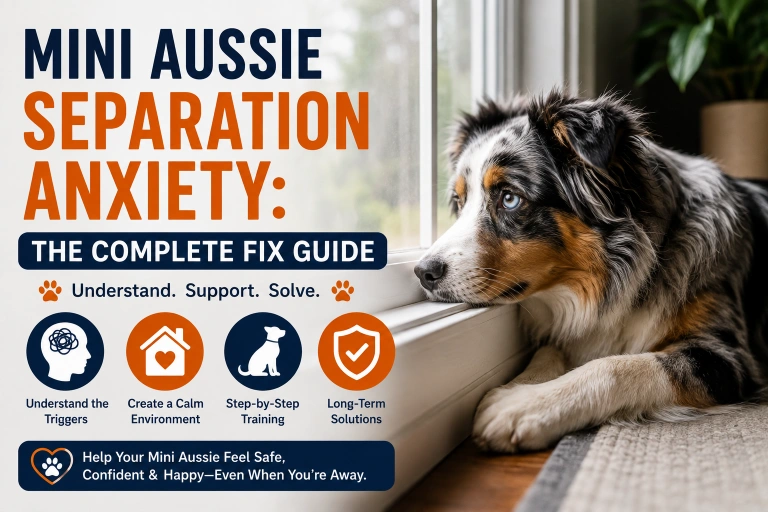
  • Mini Aussie Separation Anxiety The Complete Fix Guide

    Mini Aussie Separation Anxiety: The Complete Fix Guide

    BySarah Mitchell August 8, 2026August 8, 2026

    Short answer: separation anxiety in Mini Aussies is a genuine anxiety response, not disobedience — crate training done right, gradual alone-time conditioning, and pre-departure exercise fix most cases within weeks; severe cases benefit from vet-guided medication alongside training. How to Tell It’s Actually Separation Anxiety Look for symptoms that happen specifically around departures and while…

    Read More Mini Aussie Separation Anxiety: The Complete Fix GuideContinue

  • How Much Do Vet Bills Cost for a Mini Aussie Year-by-Year

    How Much Do Vet Bills Cost for a Mini Aussie? Year-by-Year

    BySarah Mitchell August 8, 2026August 8, 2026

    Short answer: budget roughly $600-$1,200/year for routine care (checkups, prevention, food-adjacent costs excluded), with real variability driven by pet insurance, unexpected issues, and where you live — the first year runs higher due to spay/neuter and initial vaccines. Year-by-Year Estimate Year Typical Vet Costs What Drives It Year 1 (puppy) $700-$1,500 Vaccine series, spay/neuter, first…

    Read More How Much Do Vet Bills Cost for a Mini Aussie? Year-by-YearContinue

  • Mini Aussie Allergies Skin, Food, and Environmental

    Mini Aussie Allergies: Skin, Food, and Environmental

    Bysalmanakhtar2211@gmail.com August 8, 2026August 8, 2026

    Short answer: Mini Aussies can develop skin allergies, food allergies, and environmental (seasonal) allergies — itching, licking paws, and recurrent ear infections are the most common signs, and identifying the specific trigger usually takes an elimination process with your vet. The Three Types Environmental (Atopic) Allergies Reactions to pollen, dust mites, mold, or grass —…

    Read More Mini Aussie Allergies: Skin, Food, and EnvironmentalContinue

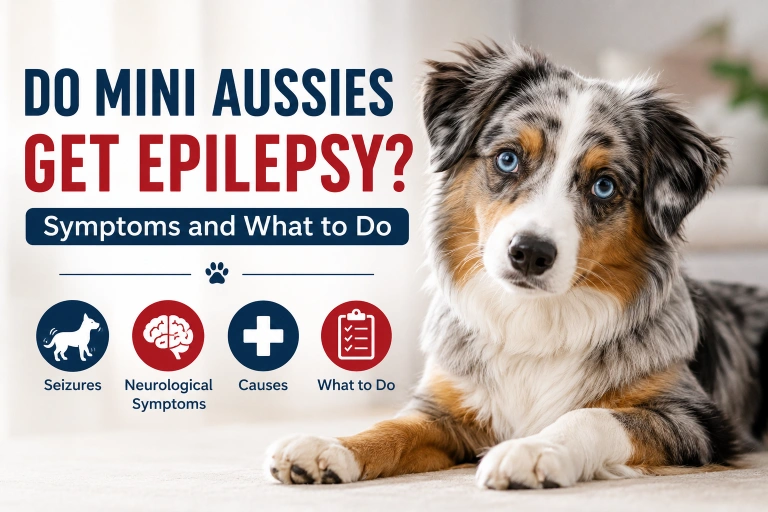
  • Do Mini Aussies Get Epilepsy Symptoms and What to Do

    Do Mini Aussies Get Epilepsy? Symptoms and What to Do

    BySarah Mitchell August 8, 2026August 8, 2026

    Short answer: yes, idiopathic epilepsy occurs in Mini Aussies, usually appearing between 6 months and 5 years of age — it’s manageable long-term with medication in most dogs, and a single seizure isn’t automatically a lifelong diagnosis. What “Idiopathic” Means Here Idiopathic epilepsy means recurring seizures with no identifiable structural cause (no tumor, no toxin,…

    Read More Do Mini Aussies Get Epilepsy? Symptoms and What to DoContinue

  • Mini Aussie Eye Problems PRA and Cataracts Explained

    Mini Aussie Eye Problems: PRA and Cataracts Explained

    BySarah Mitchell August 8, 2026August 8, 2026

    Short answer: Progressive Retinal Atrophy (PRA) and juvenile cataracts are the two most common inherited eye conditions in Mini Aussies — both are DNA-testable in parents, and neither is painful, though PRA leads to gradual, irreversible blindness. Progressive Retinal Atrophy (PRA) PRA is a group of inherited diseases that cause the retina’s light-sensing cells to…

    Read More Mini Aussie Eye Problems: PRA and Cataracts ExplainedContinue

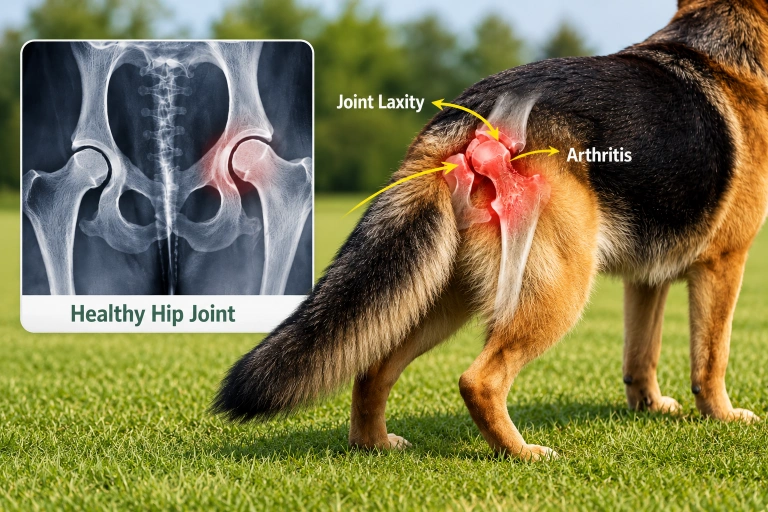
  • Hip Dysplasia in Mini Aussies Signs, Prevention, and Treatment

    Hip Dysplasia in Mini Aussies: Signs, Prevention, and Treatment

    BySarah Mitchell August 8, 2026August 8, 2026

    Short answer: hip dysplasia is a malformation of the hip joint that’s common enough in Mini Aussies to screen for — OFA-tested parents cut the risk significantly, and early management (weight control, joint supplements, controlled exercise) makes a real difference if your dog develops it. What It Actually Is Hip dysplasia happens when the ball-and-socket…

    Read More Hip Dysplasia in Mini Aussies: Signs, Prevention, and TreatmentContinue

Page navigation

Previous PagePrevious 1 2 3 Next PageNext
Mini Australian Shepherd

Pages

  • About Us
  • Contact Us
  • Disclaimer
  • Privacy Policy
  • Term & Conditions

Follow Us

Facebook X Pinterest

© 2026 Mini Australian Shepherd 

  • Home
  • Breed Guide
    • Mini vs. Miniature American Shepherd
    • Cost
    • Size & Growth
    • Temperament
    • Lifespan
    • Colors
    • Month-by-Month
    • Exercise
    • Nutrition & Feeding Guide
    • Grooming
    • Training
  • Health
    • Health Overview
    • MDR1 Gene Guide
    • MDR1 Drug List
  • Blog
  • About Us